ЖД Билеты Онлайн
- 4.3
- Rating
- 1.00M
- Installs
- Free
- Price

 Analysis by App-foxy
Buying a train ticket can be simple in theory, but the process becomes much less comfortable when you are travelling with limited time, a tired passenger, a large amount of luggage, or someone who needs a calmer and clearer way to complete a purchase. ЖД Билеты Онлайн is a free Travel & Local app from UFS ltd. that focuses on buying railway tickets for trains in Russia, including Sapsan, Lastochka, and Strizh. I found its main value in putting the search and purchase process in one mobile place rather than making me depend on a station counter or a desktop browser.
The app has been around since March 10, 2013, and its current version is 47.0.10687. It is suitable for Everyone and works on Android 6.0 or later. With a 4.3 average from around 23 thousand ratings and more than one million installs, it is clearly not a niche experiment. That does not automatically make it the best choice for every traveller, though. My experience is that its usefulness depends less on how often you travel and more on whether you value mobile convenience over the reassurance of speaking to railway staff.
How readable navigation affects the ticket-buying experience
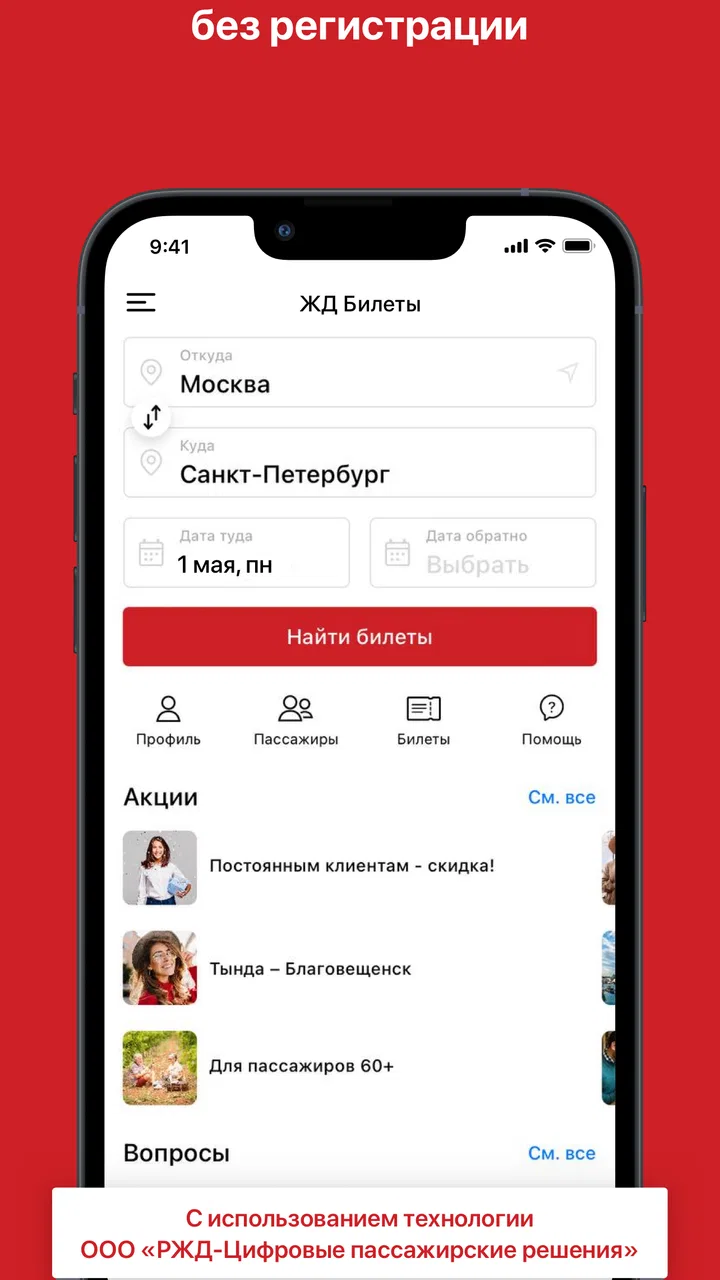
The most important part of a railway app is not visual decoration; it is whether I can move from a vague travel plan to a correct booking without losing track of the details. ЖД Билеты Онлайн is built around that practical journey. I can begin with the route and travel date, examine available trains, and continue toward the ticket purchase. That familiar sequence makes the app easier to approach than a service that scatters timetable information, passenger details, and payment steps across unrelated areas.
You May Also Like

 Blood Strike: 2.5 Anniversary
Blood Strike’s Loadouts Turn Every Drop Into a Tactical Gamble
A close look at Blood Strike’s custom loadouts: how fast access to signature weapons reshapes its battle royale rhythm, rewards preparation, and narrows the gap between fights.

 Pandora - Music & Podcasts
Pandora’s Music Is Easy to Start, but Harder to Recover
Pandora’s strength is its low-effort path from a seed to a station. Its weak spot is how much confidence it asks you to place in connection, setup, and quiet recovery.

 8 Ball Pool
 Is Built on Rivalries, Rematches, and Routine
A close look at the rivalries, rematches, shared routines, and unanswered safety questions that turn a quick pool match into a persistent mobile community.

 Samsung Music
’s Quiet Strength Is Playing What You Already Own
Its reach comes less from spectacle than from dependable access to a personal library. That simplicity is both the app’s strongest retention engine and its ceiling.

 AccuWeather: Weather Radar
AccuWeather Review: A Quick, Clear Forecast for Everyday Decisions
For everyday plans, the best forecast is the one you can understand quickly. AccuWeather makes rain timing, radar, and local conditions easy to act on, with a few trade-offs.

 Hill Climb Racing
Why Hill Climb Racing Still Turns Crashes Into One More Run
A tiny car, a bumpy hill and one more upgrade: Hill Climb Racing keeps resurfacing because its simple chaos makes every near-miss feel personal.
More From Our News Desk



For a first-time user, the key challenge is understanding what each result means. A train name alone is not enough when several services leave around the same time. I recommend slowing down at the results stage and checking the departure and arrival times, the route direction, and the service name before moving forward. This is especially important with well-known Russian trains such as Sapsan, Lastochka, and Strizh, because choosing the right service is only useful if the time and destination also match the plan.
I would not treat the app as a place to tap quickly through familiar screens. Railway purchases contain small details that can have large consequences. A hurried glance can lead to the wrong date, an inconvenient departure, or a selection that does not suit the rest of a group. The clearest workflow is to decide the route and acceptable time range before searching, then compare the available options deliberately rather than choosing the first result that looks close.
The free price is helpful for people who want a convenient mobile starting point without committing to a subscription. It also makes the app practical for occasional travellers who may not want a dedicated travel routine. At the same time, “free” should not be confused with “effortless.” The actual ticket purchase still requires careful attention to passenger information and the final booking details, so I would use it when I have enough time to review the order rather than while rushing toward a platform.
One useful habit is to read the final summary as if another person were checking it for me. I look at the journey date, direction, train, and passenger information separately. This catches a different class of mistake than simply rereading the whole screen from top to bottom. It is a small, non-obvious improvement, but it matters because mobile interfaces encourage quick confirmation once the desired train appears.
Reading comfort for different users
People with reduced vision, reading fatigue, dyslexia, or attention difficulties may judge the app differently from someone who is comfortable scanning compact travel screens. I found that the task is manageable when I focus on one decision at a time, but railway search results naturally contain several pieces of information competing for attention. The app is therefore most comfortable when used in a quiet setting with the phone held steadily and the screen given enough time to read.
I would also avoid relying on memory when comparing trains. If a traveller has difficulty retaining times or route details, writing down the preferred option before advancing can reduce mental load. A companion can help by reading the results aloud or checking the summary, while the ticket holder keeps control of the final choice. This is not a special mode inside the app; it is a practical way to make a dense purchase task more accessible.
For users who prefer a larger display, a computer or station service may still be easier. A phone is convenient, but the smaller screen leaves less room to compare several alternatives at once. That trade-off is central to the app: it gives me mobility, while a larger interface may offer more visual breathing space. I would choose the app for quick independent planning and a wider screen when a complex itinerary needs side-by-side comparison.
Motor, sensory, and situational considerations
Touchscreen ticket buying can be demanding for anyone with tremors, limited dexterity, joint pain, or difficulty making precise taps. The risk is not only entering information incorrectly; it is also selecting the wrong train or confirming before noticing an error. I found it safer to use the app while seated, with the phone supported by one hand or a stable surface, instead of trying to complete the purchase while walking through a station.
This matters particularly during a busy connection. A traveller may be carrying a suitcase, holding a child’s hand, wearing gloves, or dealing with poor lighting. In those circumstances, the app’s mobile nature is both its strength and its weakness. It lets me search away from a ticket counter, but the small touch interface becomes less forgiving when my attention and hand control are divided.
My strongest practical recommendation is to prepare the passenger information before beginning the search. Typing while distracted increases the chance of an avoidable mistake, and correcting a booking after confirmation is more stressful than entering the details carefully at the start. I would also keep the phone charged and maintain a reliable connection until the purchase process is complete. These are ordinary travel precautions, but they become accessibility precautions when a user cannot easily repeat a long sequence of taps.
Sensory overload is another consideration. Stations can be loud, crowded, and visually confusing, while ticket counters may involve queues and fast spoken instructions. A mobile app can create a more private space for planning, which I see as a genuine advantage for travellers who find public interactions tiring or overwhelming. I can search before entering the station, review the journey in a calmer environment, and arrive with a clearer plan.
However, the app does not remove every sensory challenge. A user may still need to interpret dense travel information, monitor the progress of a purchase, and keep track of the journey after booking. If someone becomes overwhelmed by multiple choices, narrowing the search in advance is useful: decide the acceptable departure period, the destination, and whether the trip must use a particular service. Fewer meaningful choices are easier to handle than scrolling through every possibility.
When mobile access is genuinely better
Consider a realistic situation: I am leaving work later than expected and need to travel from one Russian city to another on a Sapsan, Lastochka, or Strizh service. I do not want to stand in a station queue while checking several departure options, and I may need to coordinate the journey with a companion. In that moment, the app is more useful than relying on a counter because I can begin the search before reaching the station and make the decision at my own pace.
It is also helpful for a family organiser who is purchasing tickets for several people. The main benefit is not that the task becomes automatic; it is that the organiser can handle it from a familiar device and review the journey details before everyone arrives. I would still check every passenger entry individually. Group bookings create more opportunities for a single wrong field to affect the whole plan, so speed should not be the priority.
For a traveller with anxiety around spoken transactions, the app may feel more manageable than explaining a route at a busy counter. It offers time to reread the information and avoid the pressure of an audience. On the other hand, someone who needs personal assistance with route selection, seating questions, or an unusual travel situation may be better served by railway staff. The app is strongest when the traveller already knows the basic journey they want to buy.
Where the usual alternatives still have an advantage
The traditional station counter remains valuable for people who want human guidance or who do not feel confident handling a digital purchase. Staff can respond to questions in the moment, which is difficult for any self-service app to replace. A desktop browser can also be preferable when I need a larger workspace, want to compare many trains, or am helping someone who struggles with small text and touch controls.
Using a general browser search may feel faster for checking broad travel information, but it can send me through several pages before I reach a purchase flow. ЖД Билеты Онлайн is more focused: it is designed around railway ticket buying rather than general destination research. That focus is a benefit when I already know the route. It is less suitable when I am still deciding where to go, looking for attractions, or planning a complete holiday beyond the train booking.
I would therefore use the app alongside, not necessarily instead of, other tools. A map can help confirm the destination and station area, while a calendar can help me avoid date mistakes. The app’s role is the railway purchase itself. Expecting it to replace every part of travel planning would create disappointment because a specialised ticket tool is not the same as a full trip organiser.
Remaining barriers before I would recommend it
The biggest barrier is the responsibility placed on the user. A mobile purchase can feel simple because the screens are compact, but the consequences of a mistake are not compact. People with limited reading confidence, memory difficulties, or low familiarity with Russian railway services may need help interpreting the options. I would not recommend completing an important journey entirely alone in the app if the traveller is unsure about the route or the meaning of the available choices.
Another limitation is the dependence on a functioning phone and connection during the process. A dead battery, unstable network, or damaged screen can turn a convenient plan into a stressful one. For that reason, I would make the booking before the last possible moment and keep the relevant journey information available in a form I can consult later. The app is a strong planning tool, but it should not be the only thing I rely on when a trip is time-sensitive.
There is also a difference between being able to operate an app and feeling genuinely supported by it. A person may be able to tap through the screens but still need clearer reassurance before confirming a purchase. I found that deliberate checking compensates for this, but it adds time. Travellers who want a guided conversation may find a staffed railway service more comfortable, even if the digital route is quicker.
Users with motor limitations should think about the physical conditions of the purchase. A phone stand, stylus, voice assistance provided by the operating system, or help from a trusted companion may make the interaction easier, but the experience will depend on the device and personal setup rather than on a promise from the app itself. I would test the basic search before an urgent trip so I know whether the touch controls and text presentation work comfortably for me.
People who are sensitive to uncertainty should also leave room for a second check. I would not book while boarding another vehicle, crossing a street, or managing luggage. The app makes remote purchasing possible, but remote does not mean risk-free. Its best accessibility quality is the freedom to choose when and where to complete the task; its weakest point is that the user must create the calm and structure that a good counter interaction might provide naturally.
Who should use it and who should skip it
I would recommend ЖД Билеты Онлайн to independent travellers who already know their route, want to buy railway tickets from a phone, and prefer avoiding a station queue. It is also a sensible option for people who need to plan privately, compare departures before travelling, or arrange a journey from home. The fact that it is free and rated for Everyone makes it approachable for a broad audience, including families and occasional users.
I would be more cautious about recommending it to someone who needs extensive personal guidance, has difficulty reading compact screens, or is booking an unfamiliar and complicated journey under time pressure. In those cases, a larger screen, a trusted helper, or railway staff may offer better support. The app is not a substitute for human assistance simply because it puts the purchase on a phone.
For Android users with an older compatible device, the minimum requirement of Android 6.0 keeps the entry barrier relatively modest. Still, an older phone may have a smaller display, slower response, or weaker battery, all of which affect practical accessibility. I would judge the experience on the actual device rather than assuming that compatibility guarantees comfort.
A fair inclusive verdict
After using it as a railway ticket tool, I see ЖД Билеты Онлайн as a focused and worthwhile option for Russian train travel, especially when the route is clear and the user wants control over the timing and setting of the purchase. Its support for different abilities comes mainly from flexibility: I can search away from a noisy counter, reread information, involve a companion, and complete the task before reaching the station.
That flexibility has limits. The app still asks me to read dense travel information, make accurate selections, enter passenger details, and protect the booking process from distractions. It does not remove the need for a larger screen, human help, or a backup plan when those are more appropriate. I would describe it as a convenient independent route to a train ticket, not a complete replacement for assisted travel service.
The developer, UFS ltd., has maintained a long-running app with a current version that supports a broad range of Android devices. Its strong adoption and 4.3 average suggest that many travellers find the approach useful, but my recommendation is more specific: use it when mobile independence matters and the journey is familiar; choose a browser or station staff when comparison, explanation, or physical ease matters more than speed.
In the end, I would keep it available for planned Russian rail journeys, particularly for Sapsan, Lastochka, and Strizh searches. I would open it early, check every important detail twice, and avoid using it in a rushed or physically awkward situation. For the right traveller, that small amount of preparation turns a potentially stressful ticket purchase into a manageable task. For someone who needs more guidance than a self-service screen can provide, choosing another route is not a failure of the app; it is simply the more inclusive decision.
FAQs for ЖД Билеты Онлайн
01What is ЖД Билеты Онлайн, and what can I use it for?
ЖД Билеты Онлайн is a mobile service for searching and booking railway tickets, primarily for train journeys in Russia and nearby destinations supported by the platform. After entering your departure and arrival stations, travel date, and passenger details, you can compare available trains, review schedules, select seats when offered, and complete a reservation from your phone instead of visiting a station ticket office.
02How do I search for and purchase a train ticket in the app?
To purchase a ticket, enter the departure station, destination, and intended travel date, then start the search. The app displays available trains, departure and arrival times, journey duration, carriage types, and prices. After choosing a suitable option, provide the passenger information exactly as it appears on the identification document, select a seat if available, and follow the payment instructions to confirm the order.
03What payment methods are supported, and how do I receive my ticket?
Payment options can depend on the current version of ЖД Билеты Онлайн, the booking provider, and your region, but card payments are commonly available. Before confirming the purchase, carefully check the final price and passenger details. Once payment succeeds, the electronic ticket or booking confirmation is normally shown inside the app and sent to the email address or phone number provided during checkout.
04Can I change or cancel a ticket purchased through ЖД Билеты Онлайн?
Cancellation and change rules depend on the train operator, ticket type, departure time, and the conditions shown during booking. In many cases, you can open your order in the app and request a refund or manage the reservation, although service fees and deductions may apply. Review the fare conditions before paying, and contact support promptly if the required option is not visible.
05Is ЖД Билеты Онлайн safe to use, and what should I check before downloading?
The app can be convenient for arranging train travel, but users should still verify the developer, download source, privacy permissions, and current reviews before installation. Use an official app store whenever possible, avoid sharing unnecessary personal information, and make sure the booking details are correct before payment. Keep the confirmation available offline, since mobile internet may be unreliable during your journey.
Pros
- Searches train routes
- schedules
- and fares in one place.
- Mobile ticket storage makes boarding more convenient.
- Filters help compare departure times and ticket options.
- Booking can be completed without visiting a railway ticket office.
- Useful trip details include stations
- carriage
- and seat information.
Cons
- The interface may feel less accessible for users unfamiliar with Russian.
- Some routes or ticket types may not be available for online booking.
- Refund rules can be restrictive and may include service fees.
- Prices and seat availability can change quickly during busy periods.
- Reliable internet access is needed to search and manage digital tickets.

ЖД Билеты Онлайн
Gallery